


Operating Model Design: Why the Answer Cannot Be Outsourced

 By Andros Payne


Private equity investors and executive teams rightly focus on operating model design as a core lever for value creation. The right structure can accelerate growth, improve efficiency, and strengthen accountability. Yet one persistent misconception continues to undermine results: the belief that the optimal operating model can be defined externally and applied to the business.
In reality, operating model design is not a template exercise. Even experienced advisors cannot fully know the complex economic and organizational trade-offs that define what will work best in your specific context. The optimal answer depends on a combination of factors unique to your business: growth ambitions, market positioning, cost structure, talent bench, decision velocity requirements, and governance maturity. These factors interact in ways that are often invisible without deep internal insight.
Looking to competitors offers limited guidance. Their operating models reflect their own strategic choices, capabilities, and constraints. Replicating them may introduce misalignment rather than advantage. Sustainable performance comes from building a model that reflects your strategy and economic realities—not someone else’s.
Critically, many of the most important trade-offs sit below the executive level. Choices about spans and layers, decision rights, and governance processes directly affect how middle management operates. These decisions influence execution speed, accountability, and talent retention—often determining whether a strategy translates into results.
Yet this is where many operating model efforts fall short. Leadership teams often hesitate to involve their managers in the design process. Concerns about bias, internal politics, or premature reactions can lead to a top-down approach with limited manager inputs. While understandable, this approach carries significant risks. Excluding those closest to the operational reality can result in blind spots, slower adoption, and unintended disruption during implementation.
The most effective operating model transformations take a different path. They combine clear executive ownership with structured input from the management layers who understand how the business truly functions. This approach surfaces practical insights, identifies risks early, and builds alignment around the path forward. Just as importantly, it strengthens buy-in, which is essential for successful execution.
This is where experienced advisors play a critical role—not by prescribing the answer, but by enabling the right process and decisions. With the right playbook and facts, they help leadership teams frame the key economic questions, structure fact-based discussions, and involve managers in a disciplined way. This ensures that decisions reflect both strategic intent and operational reality, while minimizing the risks of bias or disruption.
Ultimately, operating model design is not just about structure. It is about enabling performance. When done well, it accelerates decision-making, clarifies accountability, and aligns the organization behind value creation priorities. It also shortens time-to-value by ensuring that changes are understood, accepted, and executed effectively.
For private equity sponsors and executive teams alike, the implication is clear: the best operating models are not imported. They are built—from within, guided by strategy, informed by the organization, and executed with discipline.
Hear directly from a portfolio company CEO who successfully reshaped their operating model:
Operating Model Design + Implementation_short (1:15)
Related Insights
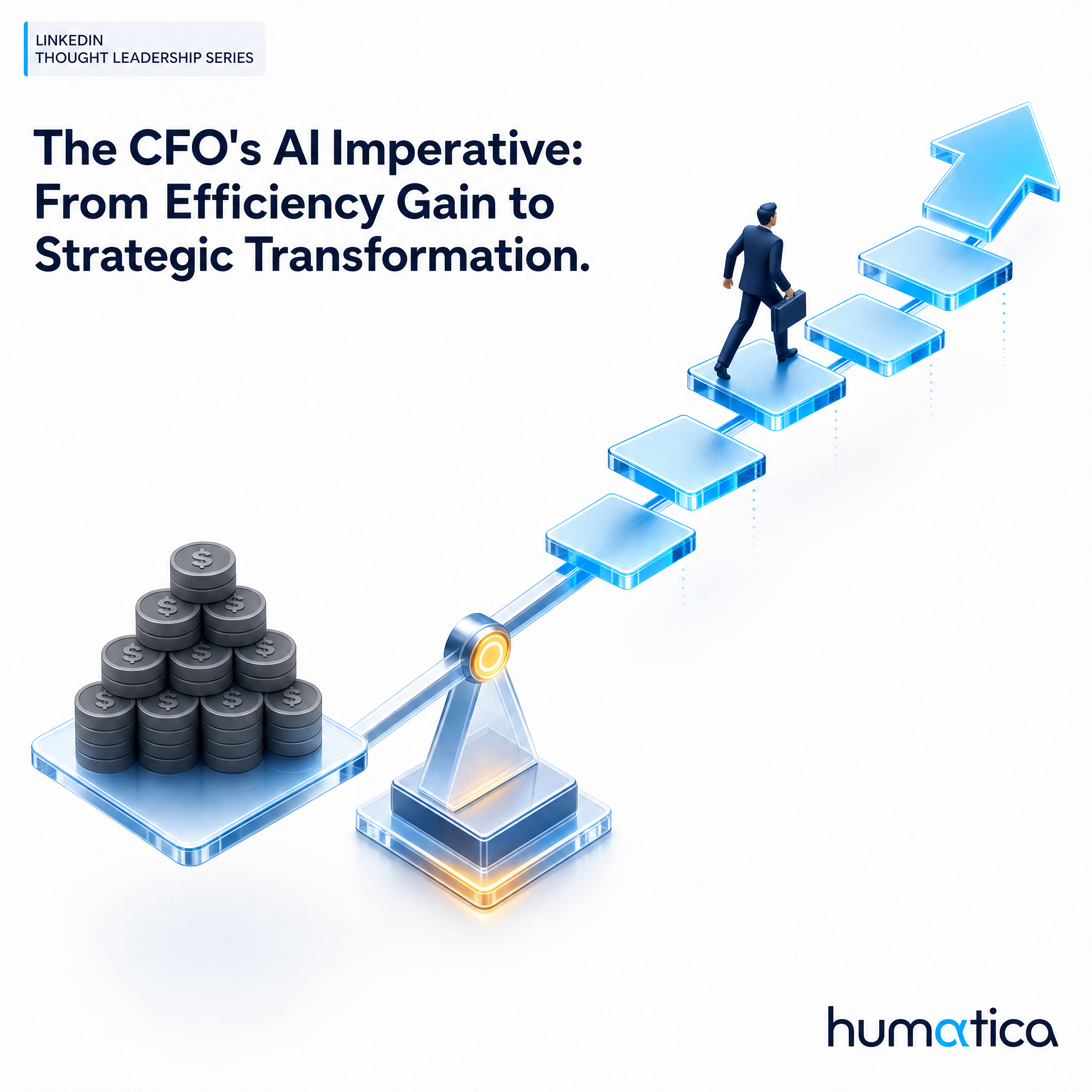
The CFO’s AI Imperative: From Efficiency Gain to Strategic Transformation
Finance has always been an early adopter of technology — from double-entry bookkeeping to spreadsheets to ERP to cloud-based analytics. And finance has always been…
Read more
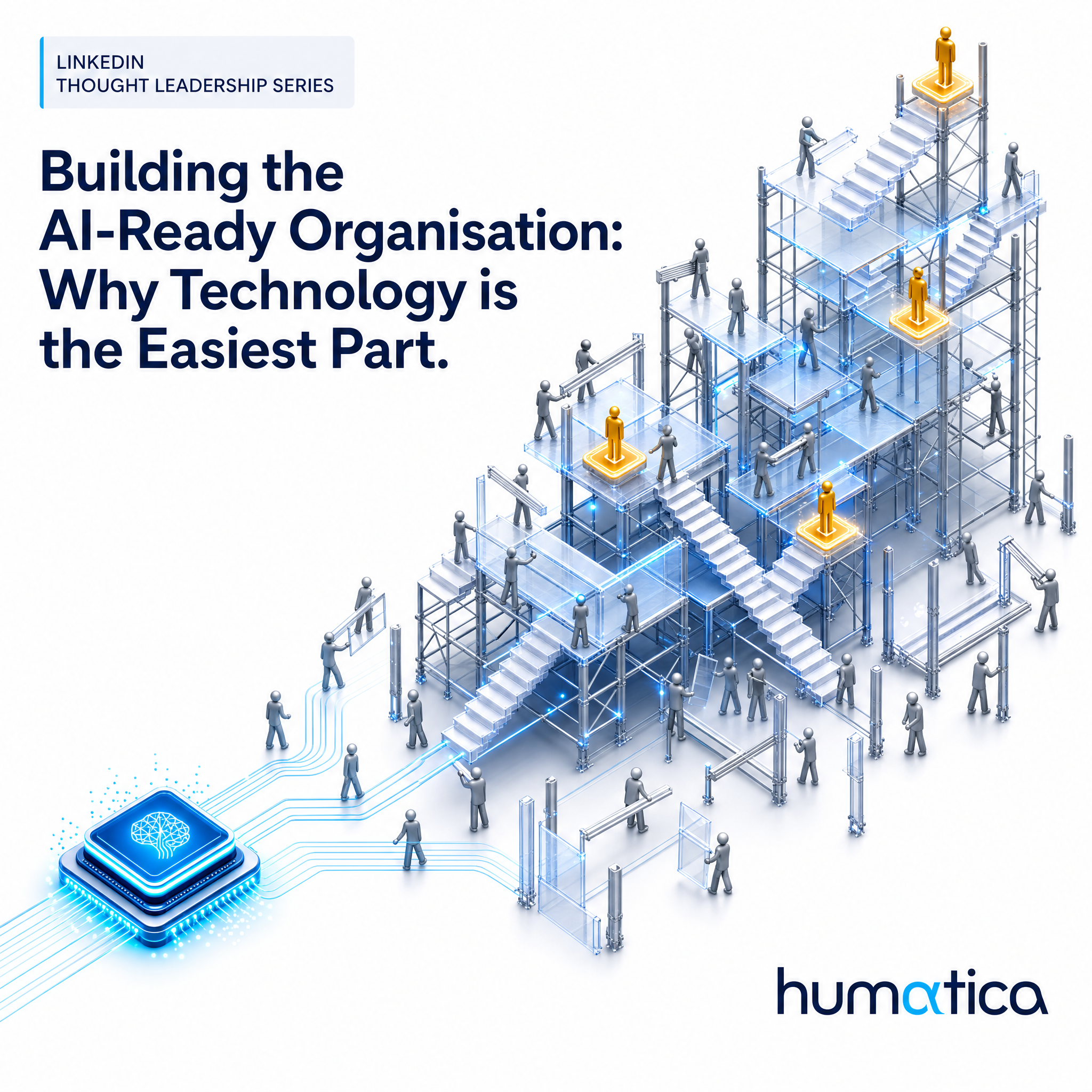
Building the AI-Ready Organisation: Why Technology is the Easiest Part
When most organisations begin an AI readiness assessment, they start with technology. Do we have a modern cloud infrastructure? A unified data platform? Access to…
Read more
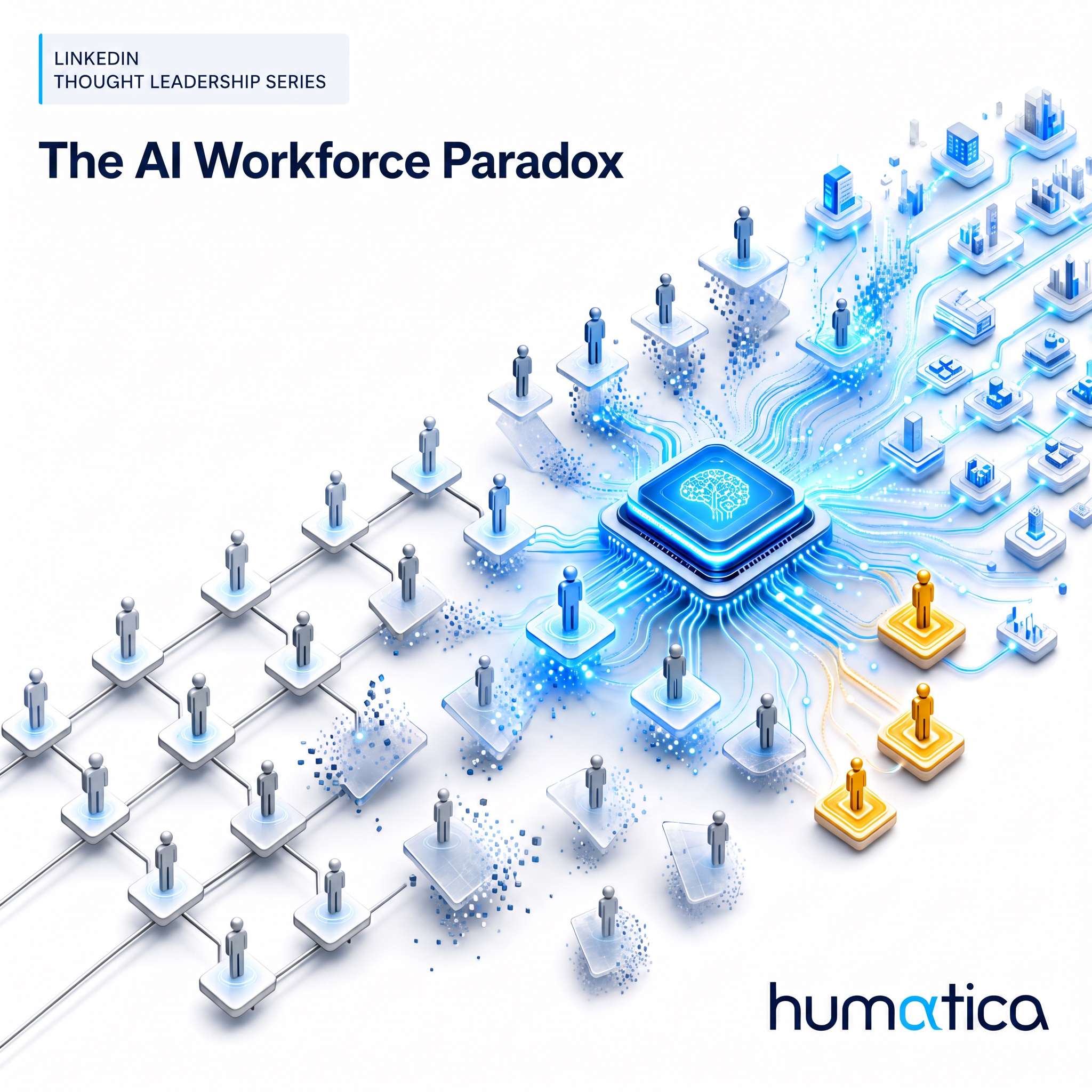
The AI Workforce Paradox: More Productivity, More Uncertainty, and a Generation of Workers Who Don’t Know Where They Stand
The evidence that AI improves individual productivity is now overwhelming. Across dozens of controlled studies, knowledge workers with AI tools consistently outperform those without —…
Read more
Abonnieren Sie unseren monatlichen Newsletter und andere News Updates
Erhalten Sie jeden Monat Neuigkeiten und wertvolle Perspektiven zu Themen der organisatorischen Effektivität